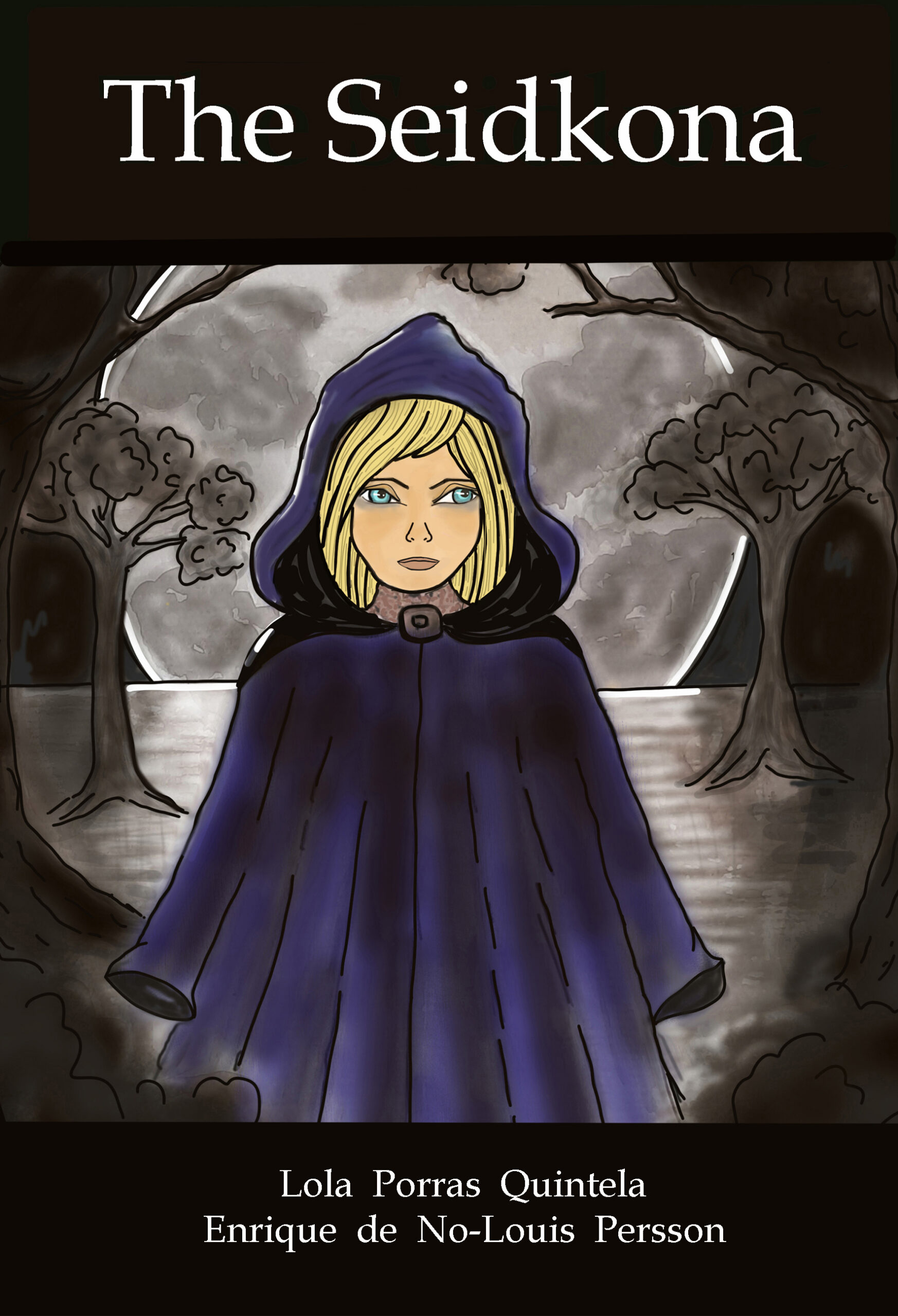
The Seidkona is the first novel Lola and I have written.
The truth is, it was a difficult book to write, not so much because of the writing itself, but because of the memories that came flooding back as we created it.
Although we began writing it in 2024, its origins date back to London, during the spring of 2014.
Let’s see if we can explain to you what this novel means.
As has so often been the case throughout history, the Seidkonas form part of a legend that social media has taken it upon itself to alter to suit the writer’s tastes, and perhaps to satisfy the needs of the reader.
As in all cultures, there is always magic and mysticism. It was a way of explaining certain aspects of life that could not be understood through logic and reason.
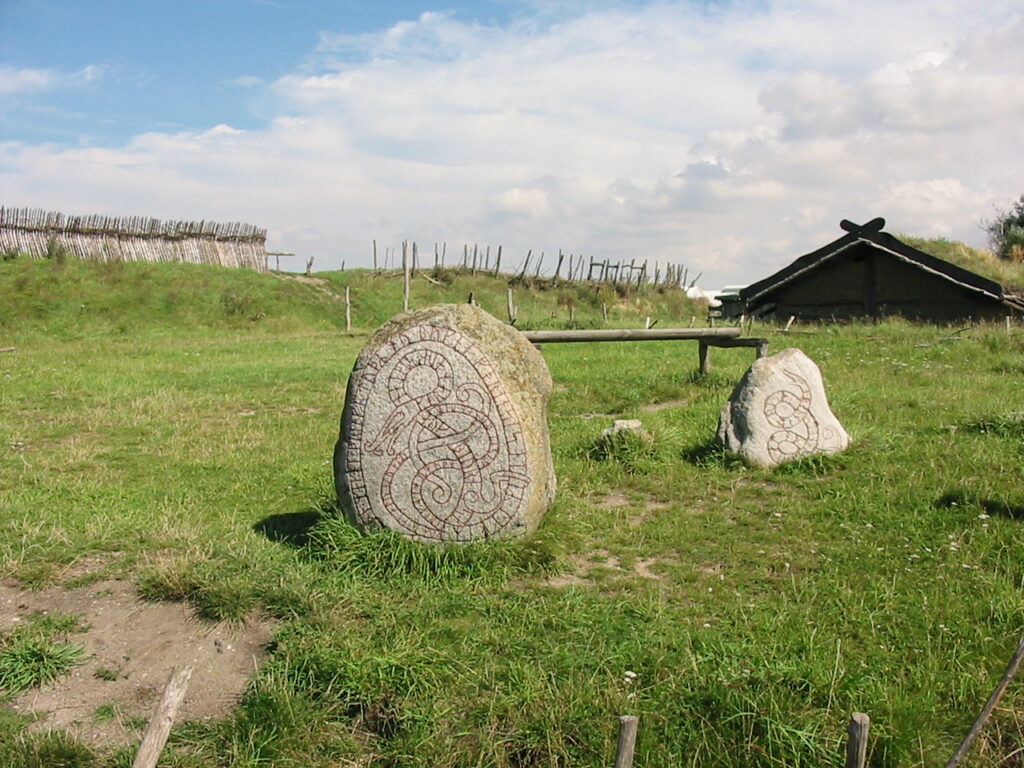
When I was a child, I heard many stories about the Seidkonas. And for my childish mind, that was all I needed. When I wandered through a forest, or along the Baltic beaches, I dreamed that one day I would meet a Seidkona, who might cast a magic spell to make me stronger, or to let me speak with the wolves.
As you can imagine, that never happened.
Until one day, in a museum, I saw an old, twisted Viking iron staff. And then I realised that the Seidkonas were a blend of Viking sorceresses and shamans, with deep roots in the mythology of the Norse gods.
Although I have been a surgeon for over thirty years, I cannot forget that magic is part of our lives. I have seen far too many things that have no scientific explanation.
And given that my ancestry is Viking, I sometimes find explanations in the old legends.
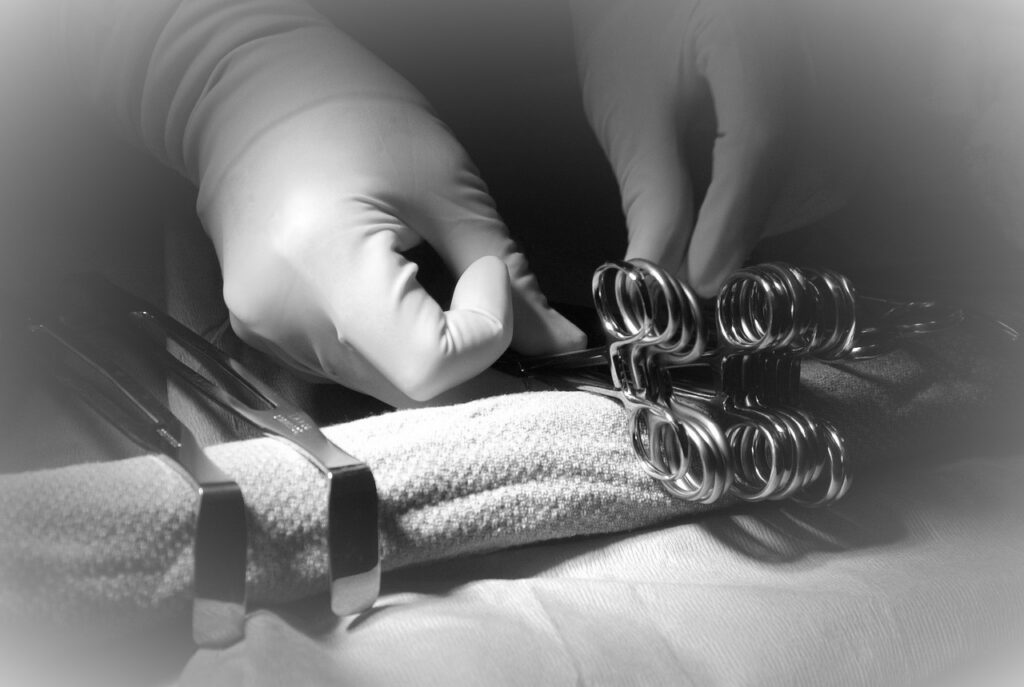
When I began my training as a doctor, I was suddenly confronted with a pandemic known as AIDS. It was something new, something that completely transformed our understanding of the immune system.
For four years I immersed myself in a laboratory, tracking down abnormal cells and cancerous cells, uncovering facts that weren’t in my medical textbooks. During that time, I realised that medicine isn’t always what we’re told it is. Every patient was different; every symptom depended on the individual, on the particularities of their immune system, on their genes, on the heritage they had received from their ancestors. I had patients who died within months, while others resisted the virus. Those were years in which learning medicine meant watching innocent people die every day.
While I noted down every piece of data, every cell that took on a different colour depending on the stains we used, the cellular markers that we turned into tiny phosphorescent dots, Lola devoted herself to transcribing my words, struggling to make sense of my absolutely dreadful doctor’s handwriting, to turn them into something comprehensible.
In some way, her patience, her calm gaze, helped me get through that time. The only thing she hasn’t managed to do is make me forget the faces of so many sick people, of so much pain, of so much death.
I became a surgeon because I didn’t want to heal with mental speculations, but with my hands.
And my AIDS patients became cancer patients.
When Lola and I decided to write The Seidkona, we had no idea where the novel would take us.
In some way, many things came together around those pages we wrote and rewrote.
We realised that we could not separate death from life, love from hate, nor passion from compassion.
The Seidkona meant plunging into turbulent waters, forgetting everything that was established, trying to find the essence of life itself, of what life meant to us, not that bundle of rules that heartless men and women want to impose on us.
Suddenly we discovered that we weren’t creating the characters of the novel, but that they were transforming us, telling us what they felt. And we became Seannachies, bards who tell stories, of the joys and sorrows of so many who have died, who have survived.
This is not a novel that speaks of us, but of you.
We hope you like it, because we have written it with our hearts, not with our minds.
We wish you a happy day.